The rise and fall of gambling a historical journey through time
The rise and fall of gambling a historical journey through time
The Origins of Gambling
The history of gambling dates back thousands of years, with evidence of games of chance found in ancient China around 2300 BCE. Archaeological findings, such as dice made from animal bones, indicate that even early civilizations were drawn to the thrill of risking something of value in the hopes of winning more. In exploring this theme, it’s interesting to consider the best online poker sites for us players. Gambling served not just as entertainment, but also as a way to settle disputes, predict fortunes, and engage in social bonding.

As societies evolved, so did gambling practices. The ancient Romans embraced various forms of betting, including chariot races and gladiatorial contests. These events captivated audiences and laid the groundwork for the establishment of more organized gambling venues, showcasing humanity’s enduring fascination with luck and chance.
The Development of Casinos
The modern casino as we know it began to take shape in the 17th century. The first official casino, the Ridotto, opened in Venice in 1638, offering a structured setting for gambling enthusiasts. This venue provided a controlled environment for games of chance, attracting a diverse crowd of patrons seeking both entertainment and fortune. As gambling gained popularity across Europe, more establishments emerged, each evolving in design and offerings.
The rise of casinos coincided with the expansion of trade routes and the increase in wealth among the middle class. By the 19th century, cities like Monte Carlo and Las Vegas became synonymous with glamorous gambling, attracting visitors from around the globe. These destinations not only offered games but also luxury accommodations, extravagant shows, and a vibrant nightlife, further cementing the cultural significance of gambling in society.
The Impact of Legislation
As gambling surged in popularity, so did the concerns surrounding its social implications. In the late 19th and early 20th centuries, many countries enacted strict gambling laws aimed at curbing the potential for addiction and crime associated with gambling activities. Prohibition efforts in the United States led to the establishment of underground gambling dens, often linked to organized crime.
However, the tides began to change in the latter half of the 20th century as many jurisdictions recognized the potential economic benefits of regulated gambling. Legalizing casinos and sports betting became a strategy for generating revenue and boosting tourism, leading to a resurgence in the gambling industry. The shift toward legalization marked a pivotal moment in the historical journey of gambling, fostering a complex relationship between legislation, society, and the economy.
The Rise of Online Gambling
The advent of the internet revolutionized gambling in the late 20th century, leading to the rise of online casinos and betting platforms. This digital transformation made gambling more accessible than ever before, allowing players to wager from the comfort of their homes. Online gaming platforms proliferated, offering a plethora of games and betting options that appealed to a global audience.
As online gambling gained traction, concerns about responsible gaming practices emerged. Regulatory bodies began to implement measures to protect players from addiction and promote fair play. Technologies such as age verification and responsible gaming tools were developed to ensure a safer gaming environment. This evolution highlighted the need for a balance between enjoyment and responsibility, shaping the future of gambling in the digital age.
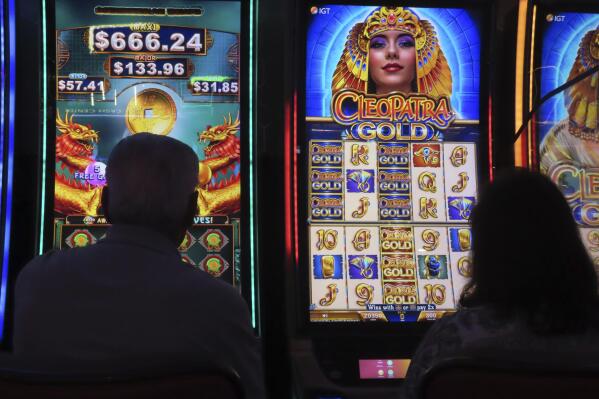
Conclusion: The Role of Responsible Gaming Practices
The historical journey of gambling reflects a complex tapestry of human behavior, culture, and economic influence. While it has evolved into a significant global industry, the accompanying challenges, particularly concerning addiction and societal impact, have become more pronounced. Responsible gaming practices are essential in ensuring that gambling remains a source of entertainment rather than a pathway to harm.
As we look to the future, the integration of technology and regulatory measures will be crucial in fostering a safe gaming environment. The commitment to responsible gaming not only enhances the experience for players but also promotes a healthier relationship with gambling. This ongoing journey will undoubtedly shape the landscape of gambling for generations to come.
发表评论